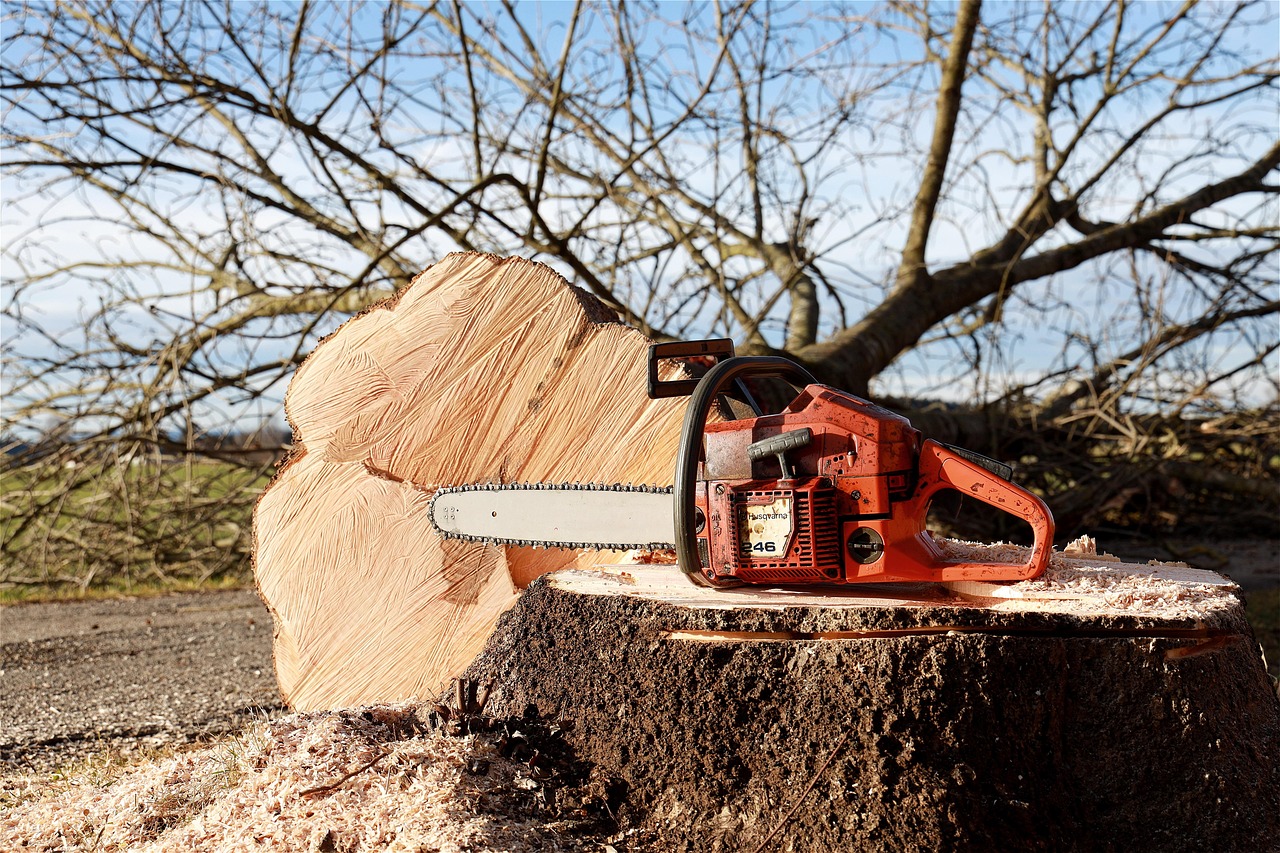
Tree trimming in Norwalk, CA is the selective pruning of branches to keep residential trees safe, healthy and in proportion with the homes around them. It’s for Norwalk homeowners with trees that have grown over roofs, driveways or power lines, or that have collected dead wood over the years. A well-planned trim removes the weak, crossing and dead limbs, opens up the canopy and leaves the tree looking natural. The payoff is a sounder tree, cleaner gutters and less risk when the wind picks up.
What Does Tree Trimming Involve?
Trimming is not one cut but a set of choices about which branches to keep. Depending on the tree, the work may include:
- Crown thinning: removing some interior branches so wind and light pass through the canopy.
- Crown raising: lifting low limbs off the roof, the driveway or the walkway.
- Crown reduction: shortening long limbs back to a smaller branch to reduce height or spread.
- Deadwooding: cutting out dead and dying limbs before they fall.
- Clearance pruning: keeping branches away from walls, windows and the service drop to your house.
Each cut is made just outside the branch collar, the slightly swollen ring where a limb meets the trunk. Cutting there lets the tree seal the wound on its own.
When Should You Have a Tree Trimmed?
Some signs mean a tree is due for pruning:
- Branches touching the roof, rubbing shingles or dropping leaves straight into the gutters.
- Limbs hanging low over the driveway or sidewalk, where cars and people pass under them.
- Dead or bare branches in the upper canopy, often visible in summer when the rest of the tree is green.
- A crown so dense you can barely see sky through it.
- Branches near the line that runs from the pole to your house.
Trees on small Norwalk lots reach these points faster, because there is simply less room before they meet a structure.
Why Do Norwalk Trees Get Overgrown?
Many backyard trees in Norwalk were planted when the homes were new, and nobody expected how large they would get. Ficus, Chinese elm, carrotwood and eucalyptus grow fast in the long warm season, and irrigated lawns push them along. Years of skipped pruning lead to heavy outer limbs, crowded centers and dead wood that the tree has shaded out.
Watering habits also play a part. A tree that relies on lawn sprinklers often keeps its roots shallow and its canopy lush. When the watering changes, the tree can shed limbs it can no longer support.
How Is a Tree Trimmed Safely?
A typical trimming job runs in a set order:
- Look over the tree from the ground to spot dead wood, cracks and the limbs that need attention.
- Set up the work area, including drop zones, rope points and protection for the lawn or patio.
- Climb or use a lift to reach the canopy, depending on the tree and the access.
- Make the cuts from the top down, lowering heavier limbs by rope when they are over a roof or wall.
- Chip and clean up, then walk the property with you to check the result.
For trees near a service drop, only the limbs a safe distance from the wire are handled by a tree crew. Anything in contact with a live line is a job for the utility.
What Affects the Cost of Tree Trimming?
Every quote depends on the tree and the property. The main factors are:
- Size and height of the tree, and how much of the canopy needs work.
- Access, such as a narrow side yard, a locked gate or a tree behind the garage.
- What is underneath, including roofs, block walls, pools and patios that must be protected.
- Condition, since dead or decayed wood needs extra care to remove.
- Proximity to power lines, which can limit how the work is done.
- The number of trees, because several trees on one visit are usually more efficient.
Pricing for your yard comes from a free visit, where the tree and access can be seen in person.
Should You Trim the Tree or Remove It?
Trimming is the right call when the tree is basically healthy and the problem is size, shape or clearance. Tree removal makes more sense when the trunk is cracked or hollow, the roots are failing, most of the canopy is dead, or the tree is simply too large for the space no matter how it is pruned. If you are unsure, a crew can show you what they see and explain both options.
What Happens If You Skip Trimming?
Skipping pruning for too long lets dead limbs build up and heavy branches grow longer and weaker. Over time that raises the risk of a limb failing onto a roof, a car or a fence. Overgrown trees also keep gutters clogged and can damage shingles. Once a stump is all that is left after a failed tree, stump grinding is the final step to reclaim the space.
Related services in Norwalk